Interactive Online News Channel
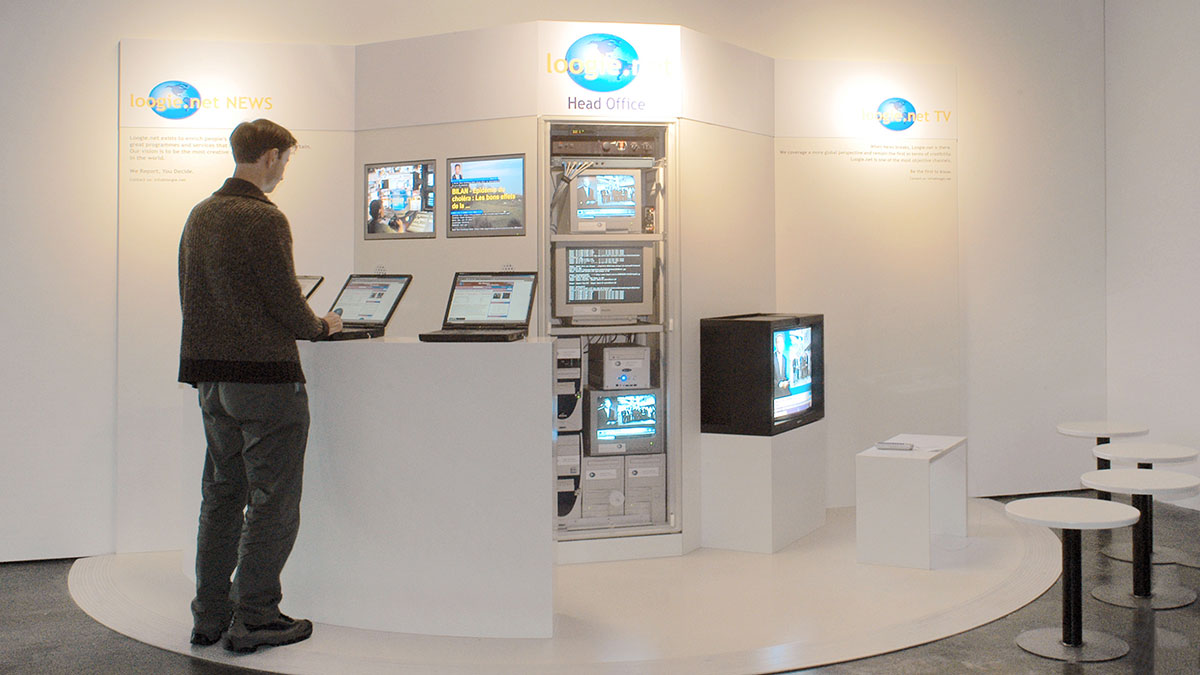
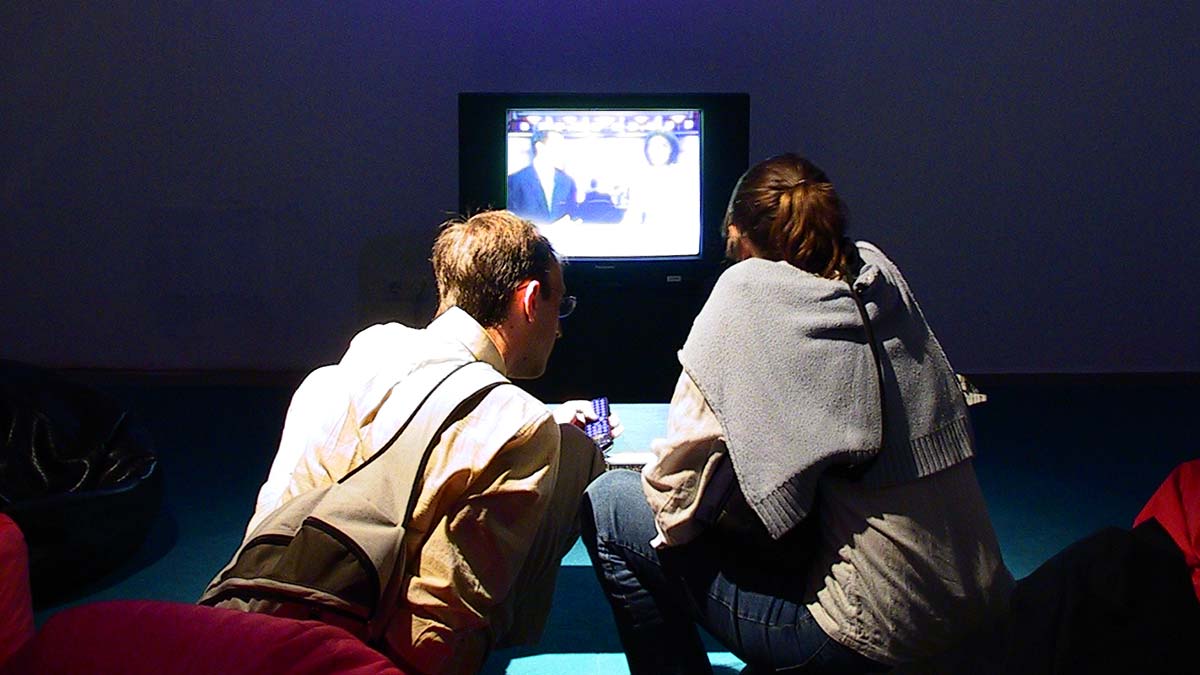
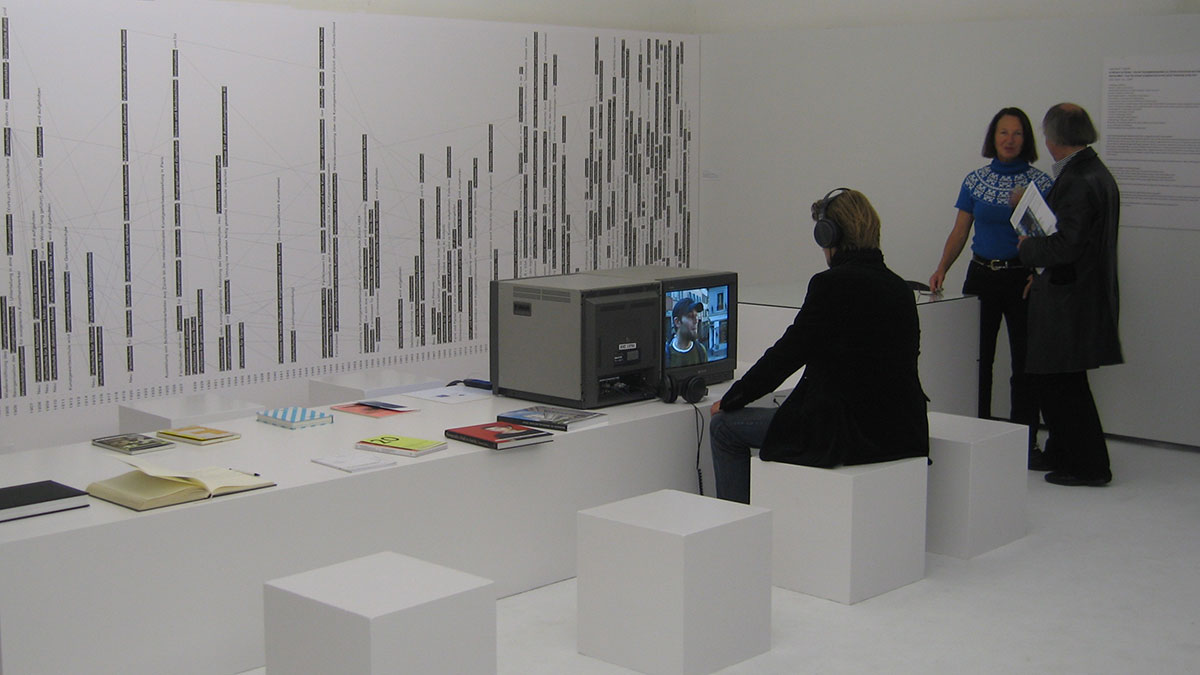
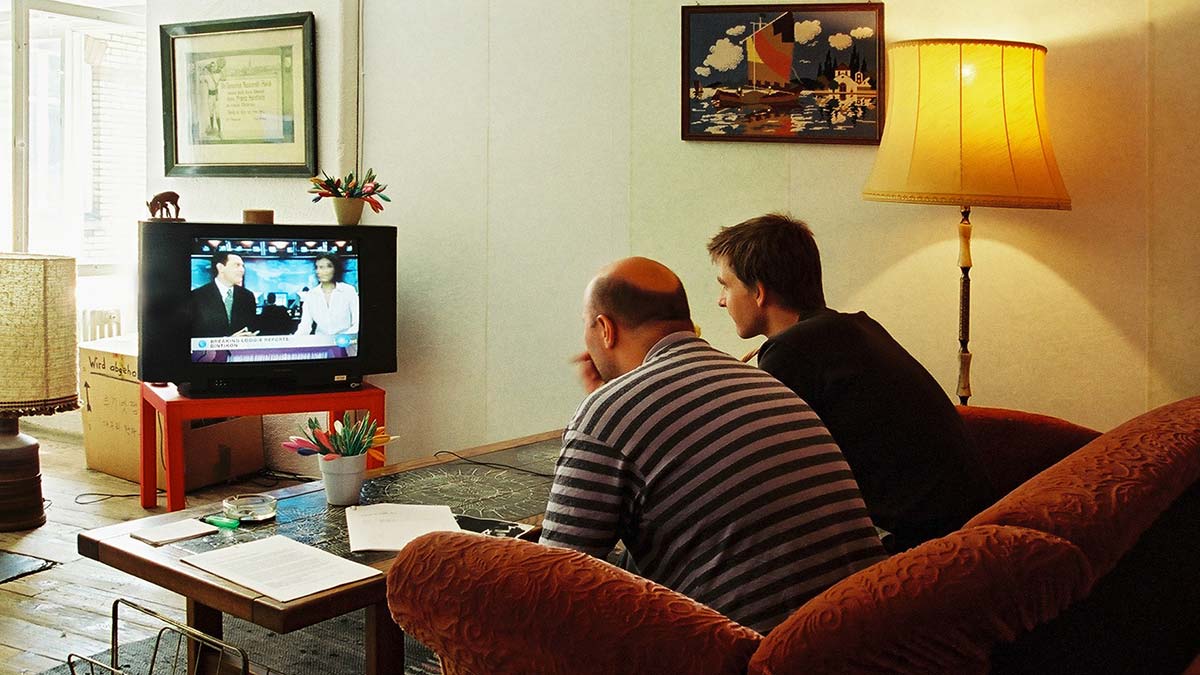
Loogie.net TV shows you the latest world news about the subjects you choose. By putting in keywords with a special remote control or by SMS you can determine which subjects will be shown on television, and you will be presented with news fit to your specifications. Additionally, in a second step your TV program can be narrowed down and focused on your own main areas of interest. The content of the broadcast is searched in real-time on the internet and is seamlessly transitioned by the Loogie.net software.
Loogie.net TV is highly unusual in that it offers broadcasts compiled solely by computer algorithms without human intervention.
Be the first to know – watch Loogie.net TV.
Jurystatement for the tpc creaTVty award 2003
Imagine for a moment that you are sitting in front of the television and instead of choosing a channel, you choose a topic. National Council elections, starvation or beauty queens, for example. You enter these or any other keywords with the remote control into Loogie.net TV and promptly your personal news show begins.
Are we witnessing the much hailed birth of interactive television here? Probably not, since what you are experiencing with Loogie.net TV can be described more closely as “interpassivity” than interactivity. Marc Lee’s work, therefore, fits in more closely with the habits of today’s viewers than the media hyped interactive TV.
So what happens with Loogie.net TV? The contents (text, pictures, videos) defined by the keywords will be searched for on the Internet in real time and then coalesced by the custom-made software. Familiar faces from CNN and other news channels appear on the screen and, in a monotone digital voice, present the findings from the Internet. In other words, the Internet contents are shoved into the mouths of TV stars. What they announce wavers between coherence, variety, and arbitrariness: In this way, Loogie.net TV certainly imitates well known news shows while at the same time caricaturing them.
The jury was convinced of Loogie.net TV for many different reasons.
The project is fundamental research, media satire and art installation, all at the same time. Not only does it descriptively and exemplarily convey how complex contents can be processed in a user-friendly and software-controlled fashion, it also reflects the visions and limits of our information society in an intelligent manner. It was an easy choice to present Marc Lee the CreaTVty Award for New Media. We are dealing with an exponent of that scene of young designers and developers who, in a radical way, exhaust the possibilities of the Internet. As such, they extend the discussion of the new media much like video art did in the late 80s. Thus Loogie.net TV stands trendsetting and exemplary for new areas of study at our schools of Art and Design.
Text: Martin Roth